
Introduction
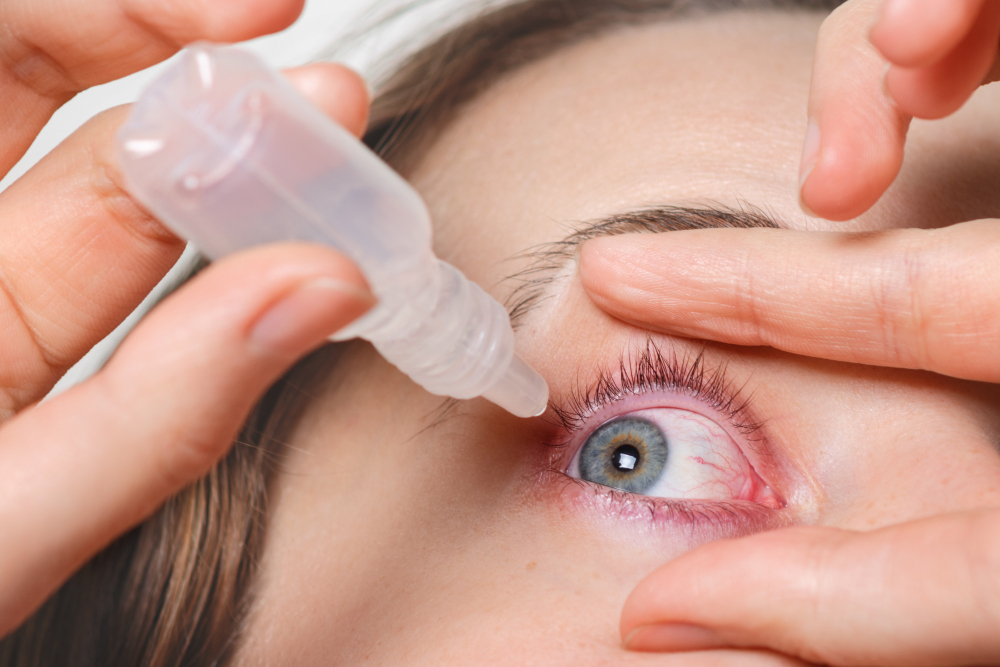
Corneal ulcers are open sores on the clear front part of your eye. They can cause pain, redness, and even vision loss if not treated quickly. Because early detection is key, knowing how to recognize a corneal ulcer early can help protect your eye health. In this blog, you will learn about the signs, causes, and prevention of corneal ulcers. Early action can make a big difference for your vision.
What is a Corneal Ulcer?
A corneal ulcer is a sore or open wound on the cornea, which is the clear, dome-shaped surface covering the front of your eye. The cornea helps focus light, so any damage can affect your vision. Usually, corneal ulcers are caused by infections, but injuries or dry eyes can also lead to them. Because the cornea is so important, any ulcer needs quick attention.
Early Signs and Symptoms of a Corneal Ulcer
Recognizing a corneal ulcer early can help prevent serious problems. Look out for these signs and symptoms:
Sometimes, symptoms can start mild but get worse quickly. Therefore, if you notice any of these signs, seek help right away.
Common Causes and Risk Factors
Corneal ulcers can happen for many reasons. However, some causes and risk factors are more common:
For example, people who wear contact lenses have a higher risk. But anyone can get a corneal ulcer if their eye is injured or infected.
When to Seek Medical Help
Because corneal ulcers can get worse fast, it is important to act quickly. You should see an eye doctor if you notice:
Even if your symptoms seem mild, early treatment can prevent vision loss. Therefore, do not wait to get help. The American Academy of Ophthalmology and the CDC both recommend prompt care for any eye injury or infection.
Prevention Tips for Corneal Ulcers
While not all ulcers can be prevented, you can lower your risk with these tips:
Additionally, if you have dry eyes or other eye problems, follow your doctor’s advice to keep your eyes healthy.
Conclusion
In summary, knowing how to recognize a corneal ulcer early can save your vision. Watch for symptoms like pain, redness, and vision changes. If you notice any signs, consult an eye specialist ANURAG KUMAR KASHYAP promptly for personalized care. Early treatment is the best way to protect your eyes.