
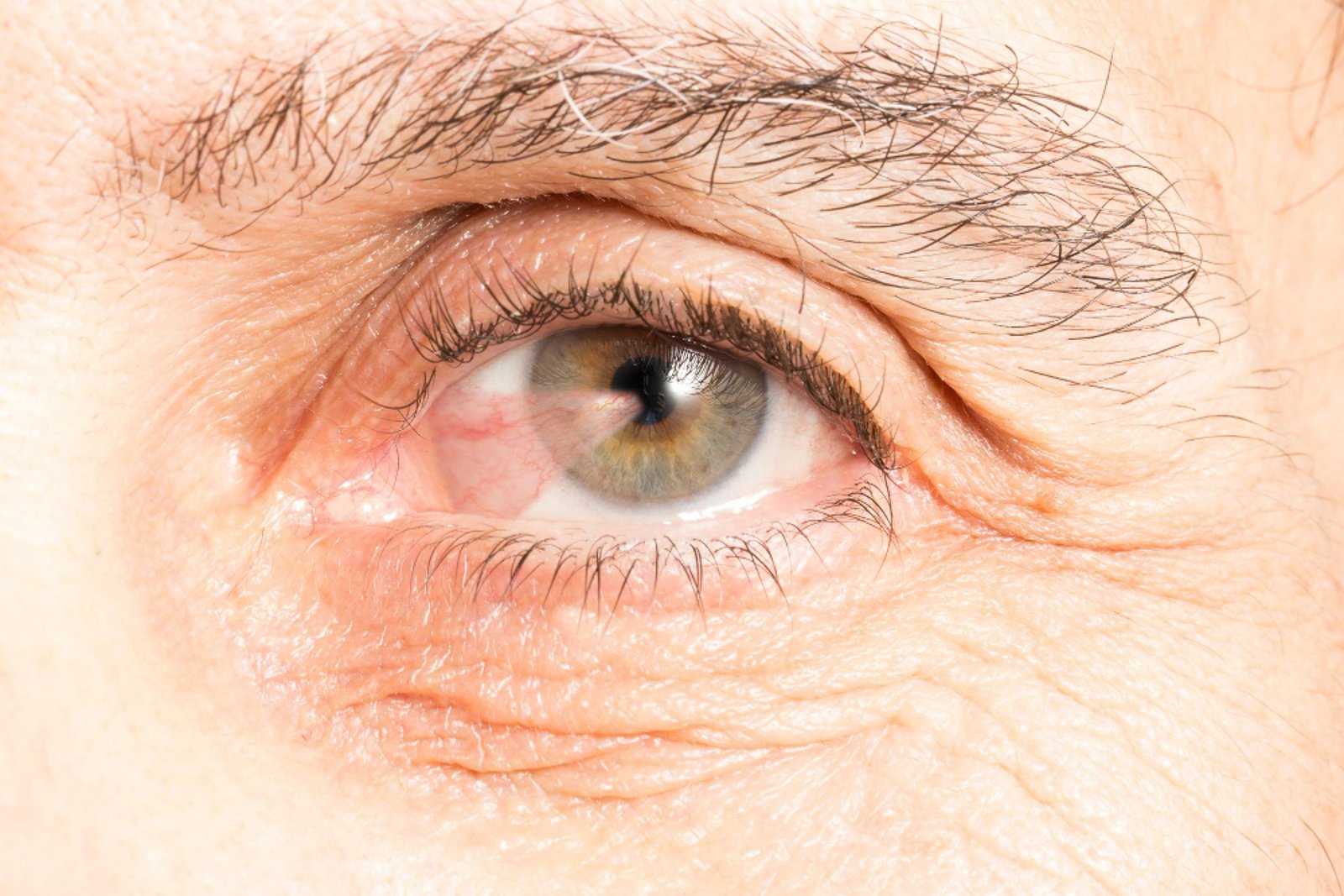
Pterygium is a common eye condition. It happens when a pink, fleshy growth forms on the white part of your eye. Often, this growth starts near the nose and moves toward the center. Many people call it “surfer’s eye” because it often affects those who spend a lot of time outdoors. Knowing the symptoms of pterygium can help you spot it early. Early detection is important for eye health. If you notice any changes, you should talk to an eye doctor. According to the World Health Organization (WHO), protecting your eyes from sun and dust can lower your risk.
Quick Summary: 6 Symptoms of Pterygium
1. Visible Growth on the White of the Eye
First, you may notice a small, raised spot on the white part of your eye. Over time, this spot can grow larger. Sometimes, it looks like a wedge or triangle. For many people, this is the first sign. If the growth moves closer to your pupil, it can affect your vision. Early treatment can help stop it from getting worse.
2. Redness or Irritation
Often, pterygium causes redness in the eye. This redness may come and go. Sometimes, it gets worse after being outside in the sun or wind. In addition, your eye may feel sore or irritated. If you notice these changes, you should pay attention. Redness is a common sign of many eye problems, so it is important to check with a doctor.
3. Dry or Gritty Feeling
Many people with pterygium feel like there is sand or dirt in their eye. This is called a gritty feeling. Because the growth can change the surface of your eye, it may not stay moist. As a result, your eye can feel dry or uncomfortable. Using eye drops may help, but you should still see a specialist for advice.
4. Blurred Vision
Sometimes, pterygium can cause blurry vision. This happens if the growth gets close to the center of your eye. Even a small change in vision should not be ignored. For example, you may notice it is harder to read or see clearly. If you have blurred vision, it is important to get your eyes checked right away.
5. Itching or Burning
Itching or burning is another common symptom. You may feel the urge to rub your eyes. However, rubbing can make things worse. Instead, try to avoid touching your eyes. If you have these symptoms, you should talk to an eye doctor. They can suggest safe ways to relieve discomfort.
6. Sensitivity to Light
Finally, many people with pterygium become sensitive to bright lights. This is called photophobia. For instance, sunlight or strong indoor lights may bother your eyes. Wearing sunglasses can help, but you should also seek medical advice. Sensitivity to light can be a sign that your eye needs care.
In summary, knowing the symptoms of pterygium helps you protect your eye health. If you notice any of these signs, do not wait. Consult an eye specialist at Chakshudham ASG Eye Hospital for a full check-up and the right treatment. Early care can prevent problems and keep your vision clear.