
What is Amblyopia (Lazy Eye)?
Amblyopia, also called lazy eye, is a common vision problem in children. In this condition, one eye does not develop normal vision. As a result, the brain starts to favor the stronger eye. Over time, the weaker eye gets even less use. Because of this, early detection of amblyopia in children is very important. If left untreated, amblyopia can cause lasting vision loss.
Why Early Detection in Children Matters
Early detection of amblyopia in children can make a big difference. When caught early, treatment is often more successful. In fact, the younger the child, the better the chance for full recovery. For example, children under age seven respond best to treatment. However, older children can still benefit from early care. Therefore, regular eye exams are key to preventing vision loss in kids.
Common Symptoms and Warning Signs
Sometimes, amblyopia can be hard to spot. Still, there are warning signs parents can watch for. Early signs may include:
But sometimes, children do not notice any problems. That is why regular eye checks are so important.
Causes and Risk Factors
Amblyopia can happen for several reasons. Most often, it starts when the eyes do not work together. Common causes include:
Some children are at higher risk. For instance, those with a family history of lazy eye or eye problems are more likely to develop amblyopia. Premature birth and low birth weight can also increase risk. According to the CDC, early screening helps find these problems before they cause lasting harm.
How Amblyopia is Diagnosed
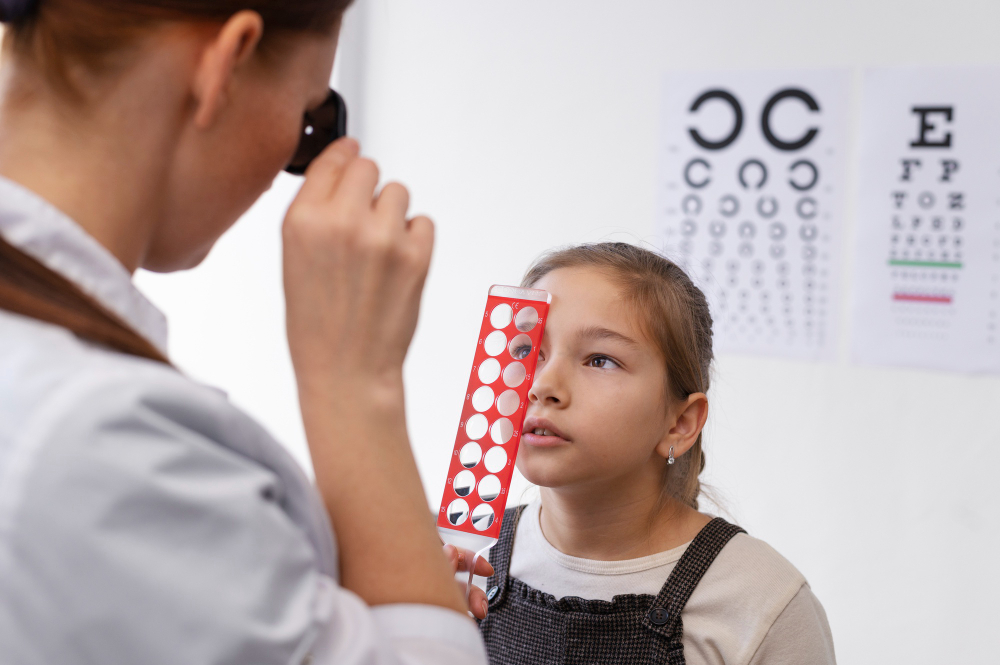
Eye doctors use special tests to check for amblyopia. During an exam, the doctor may:
Because children may not notice vision loss, these tests are very important. The American Academy of Ophthalmology recommends eye exams for all children before they start school.
Treatment Options for Children
There are several amblyopia treatment options for children. The main goal is to make the weaker eye stronger. Common treatments include:
With early treatment, many children regain normal vision. However, treatment works best when started young. The WHO notes that early care can prevent lifelong vision loss.
Tips for Parents: Supporting Your Child
Parents play a big role in helping children with amblyopia. Here are some helpful tips:
Because children may resist treatment, support and patience are key. Over time, most children adjust well.
Preventing Vision Loss: The Importance of Regular Eye Exams
Regular eye exams are the best way to prevent vision loss in kids. Even if your child seems to see well, early checks can catch problems before they get worse. The CDC and WHO both recommend vision screening for all children. Early detection of amblyopia in children leads to better outcomes and healthier eyes for life.
If you notice any signs of amblyopia in your child, consult an eye specialist Dr. ANURAG KUMAR KASHYAP for personalized guidance.