
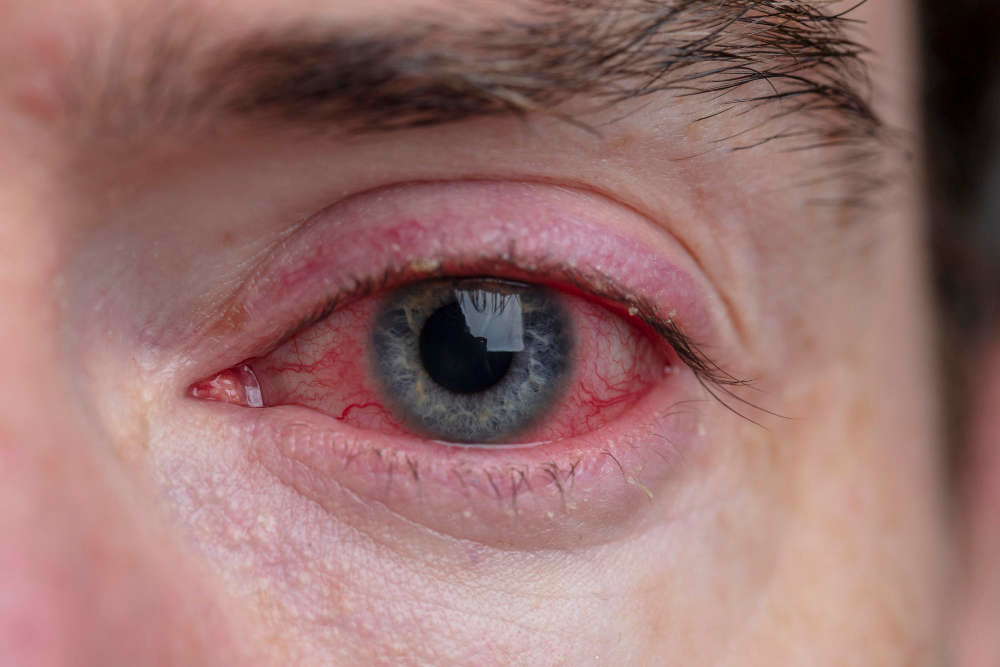
What Is Conjunctivitis?
Conjunctivitis, often called pink eye, is a common eye problem. It happens when the thin layer covering the white part of your eye, called the conjunctiva, gets inflamed. Because of this, your eye may look red or pink. Many people worry about conjunctivitis, especially when symptoms appear suddenly. In most cases, conjunctivitis is mild. However, sometimes it can become serious and needs quick medical care.
Types of Conjunctivitis
There are several types of conjunctivitis. Each type has different causes and symptoms. Knowing the type helps guide treatment. The main types include:
Common Causes of Conjunctivitis
Many things can lead to conjunctivitis. For example, viruses and bacteria are the most common causes. Allergies also play a big role, especially during certain seasons. In addition, irritants like chlorine in pools or makeup can trigger symptoms. Sometimes, touching your eyes with dirty hands can spread germs. According to the Centers for Disease Control and Prevention (CDC), viral and bacterial conjunctivitis are highly contagious.
Symptoms to Watch For
Conjunctivitis symptoms can vary, but some are very common. If you notice these signs, you may have pink eye:
However, not all symptoms mean you have conjunctivitis. Sometimes, other eye problems can look similar. Therefore, it is important to watch for changes and seek help if symptoms get worse.
When Does Conjunctivitis Become Serious?
Most cases of conjunctivitis are mild and go away on their own. But sometimes, it can become serious. For instance, if you have severe pain, vision changes, or lots of swelling, you should see a doctor right away. Also, if your symptoms last more than a week or get worse, it may be a sign of a more serious problem. According to the World Health Organization (WHO), newborns with eye redness or discharge should get medical care quickly. In rare cases, untreated conjunctivitis can lead to eye damage.
Diagnosis and Treatment Options
Doctors usually diagnose conjunctivitis by looking at your eyes and asking about your symptoms. Sometimes, they may take a sample of the eye discharge to find the cause. Treatment depends on the type:
However, you should not use someone else’s eye drops. Always follow your doctor’s advice for how to treat pink eye.
Prevention Tips and Home Care
There are simple steps you can take to prevent conjunctivitis. For example, wash your hands often and avoid touching your eyes. In addition, do not share towels, pillows, or makeup. If you wear contact lenses, clean them as directed. At home, you can use a clean, damp cloth to wipe away discharge. Also, avoid using contact lenses until your eyes are fully healed. If your child has conjunctivitis, keep them home from school until a doctor says it is safe to return.
In summary, conjunctivitis is common but can be managed with good care. If you have questions about conjunctivitis symptoms or treatment, consult an eye specialist at Chakshudham ASG Eye Hospital for personalized advice.