
What Is SICS Cataract Surgery?
SICS cataract surgery stands for Small Incision Cataract Surgery. It is a common way to treat cataracts, which cause cloudy vision. Cataracts are a leading cause of vision loss worldwide, according to the World Health Organization (WHO). SICS cataract surgery uses a small cut to remove the cloudy lens. Then, a clear artificial lens is placed in the eye. Because the cut is small, healing is often faster. Many people choose SICS eye surgery because it is safe and effective. In many countries, this method is a top cataract treatment option.
Who Needs SICS Cataract Surgery?
Anyone with cataracts that affect daily life may need SICS cataract surgery. For example, if you have blurry vision, trouble reading, or glare from lights, you might benefit. Sometimes, doctors suggest SICS for people who cannot have laser surgery. In many places, SICS cataract surgery is the main choice for those with limited access to high-tech tools. People in both cities and rural areas often receive this surgery.
How Is SICS Cataract Surgery Performed? (Procedure Steps)
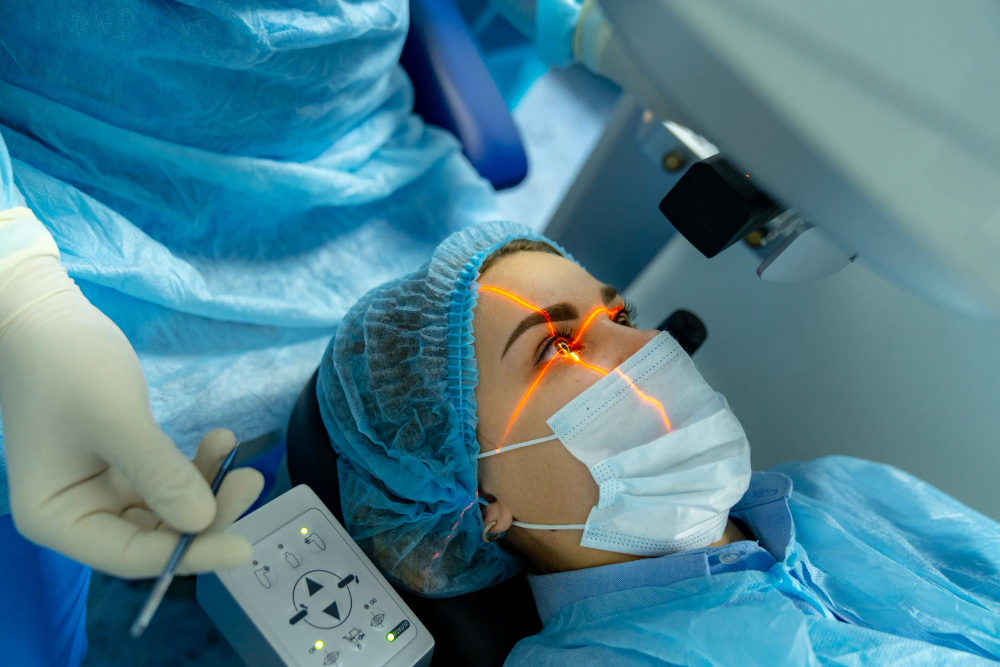
During manual small incision cataract surgery, the eye doctor follows several steps. First, you will get numbing drops so you feel no pain. Next, the doctor makes a tiny cut on the side of the eye. Then, the cloudy lens is gently removed through this small opening. After that, a clear artificial lens is placed inside the eye. Because the cut is small, stitches are often not needed. Finally, the doctor covers your eye with a patch for protection. Most people go home the same day.
Benefits of SICS Cataract Surgery
SICS eye surgery benefits many people. Not only is it safe, but it also restores clear vision. Here are some key benefits:
Risks and Considerations
Like all surgeries, SICS cataract surgery has some risks. However, most people do very well. Possible risks include:
Still, doctors take steps to lower these risks. For example, they use clean tools and give you eye drops after surgery. According to peer-reviewed ophthalmology journals, serious problems are rare. Always talk to your doctor about your health before surgery.
Recovery and Aftercare Tips
After SICS cataract surgery, good care helps your eye heal well. Here are some tips to follow:
Because every person heals differently, always follow your doctor’s advice. If you notice pain, redness, or vision changes, contact your eye care team right away.
Conclusion
For expert guidance on SICS cataract surgery and eye care, book a consultation with Dr. ANURAG KUMAR KASHYAP. Your vision is important, so let our team help you see clearly again.