
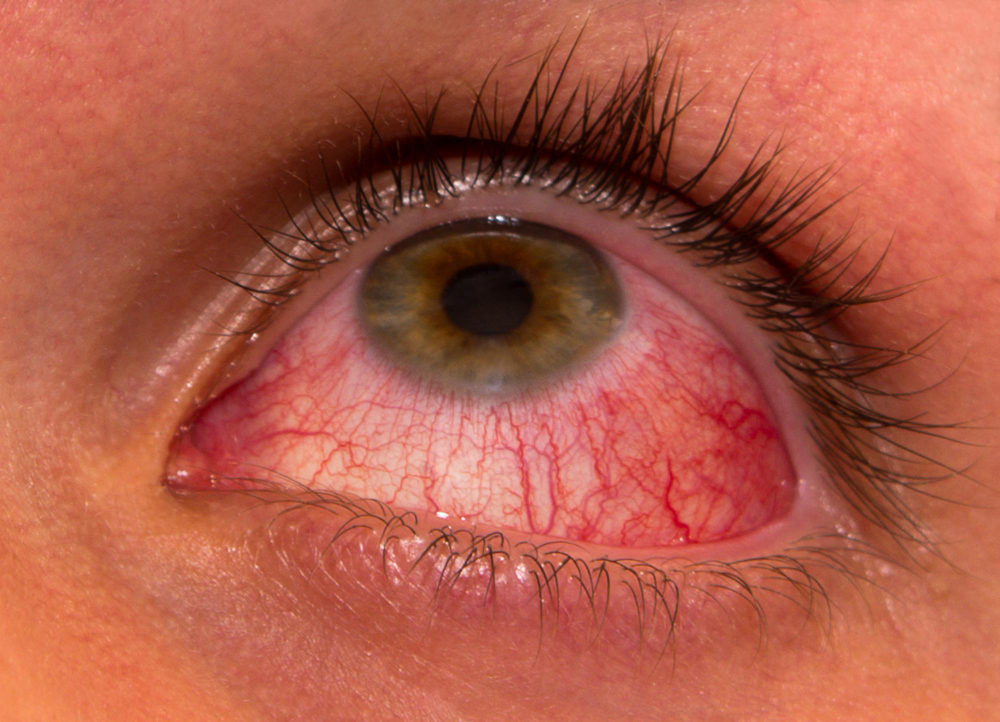
What is Uveitis?
Uveitis is a type of eye inflammation that affects the middle layer of the eye, called the uvea. This condition can cause pain, redness, and blurred vision. Because uveitis can damage important parts of the eye, it may lead to vision problems if not treated quickly. In fact, uveitis is a leading cause of vision loss in many people worldwide. Early detection and treatment are important for protecting your eyesight.
Common Symptoms of Uveitis
Uveitis symptoms can appear suddenly or develop over time. However, not everyone will have the same signs. Here are some common symptoms to watch for:
Sometimes, symptoms may be mild. But even mild symptoms should not be ignored. If you notice any of these signs, see an eye doctor soon.
Causes and Risk Factors
Uveitis can have many causes. Sometimes, the exact reason is unknown. Still, several factors can increase your risk:
For example, people with conditions like rheumatoid arthritis or lupus may be more likely to develop uveitis. In addition, smoking and some infections can also raise your risk.
How Uveitis is Diagnosed
Doctors use several steps to diagnose uveitis. First, they will ask about your symptoms and medical history. Next, they will examine your eyes using special lights and lenses. Sometimes, blood tests or imaging scans are needed to find the cause. Because uveitis can be linked to other health problems, your doctor may also check for signs of infection or autoimmune disease. Early diagnosis helps prevent vision loss.
Treatment Options for Uveitis
Treating uveitis depends on the cause and severity. The main goal is to reduce inflammation and prevent damage. Common treatments include:
Sometimes, doctors may suggest injections or surgery if other treatments do not work. However, regular follow-up visits are important to check your progress. If you are looking for uveitis treatment in your area, ask your eye specialist about the best options for you.
Preventing Uveitis and Protecting Your Vision
While not all cases of uveitis can be prevented, there are steps you can take to lower your risk. For instance, managing chronic health conditions and avoiding eye injuries can help. Here are some tips:
Because early treatment is key, always report new eye symptoms to your doctor.
Living with Uveitis: Lifestyle Tips
Living with uveitis can be challenging, but you can take steps to protect your vision. For example, follow your treatment plan and take medicines as prescribed. Additionally, wear sunglasses to reduce light sensitivity. Try to rest your eyes often, especially if you work on screens. Moreover, eat a healthy diet rich in fruits and vegetables. If you have questions about daily life with uveitis, your eye care team can help.
If you notice symptoms of uveitis, consult an eye specialist Dr. ANURAG KUMAR KASHYAP at Chakshudham ASG Eye hospital for personalized care and early treatment. Protecting your vision starts with prompt action and regular check-ups.